
Choosing the Right Generator for Your Home or Business
Power outages are no longer just an occasional inconvenience; they have become a frequent reality for many property owners. Aging utility grids, severe weather events, and increased energy demands are putting unprecedented strain on our power infrastructure. Whether you are a homeowner trying to keep your family safe and comfortable, or a business owner striving to maintain critical operations and prevent massive financial losses, securing a reliable backup power solution is absolutely essential. The demand for these systems is rapidly skyrocketing. In fact, according to Fortune Business Insights, generators will account for 64.59% of the residential backup power market.
As more people recognize the necessity of having a reliable contingency plan, the market is flooding with various brands, sizes, and configurations. Navigating these options can feel overwhelming. By leveraging our comprehensive electric services, we help you navigate the complexities of backup power, ensuring you invest in a system tailored exactly to your unique requirements. This guide will walk you through everything you need to know about choosing the right generator for your home or business.
Assessing Your Specific Power Needs
The very first step in choosing a generator is understanding exactly what you need to power during an outage. For a residential property, do you want whole-home coverage that powers everything seamlessly, or are you just looking to keep essential circuits running, such as the refrigerator, well pump, and a few lights? For commercial properties, the stakes are often much higher. You might need to power server rooms, manufacturing equipment, security systems, or commercial refrigeration units to prevent product loss.
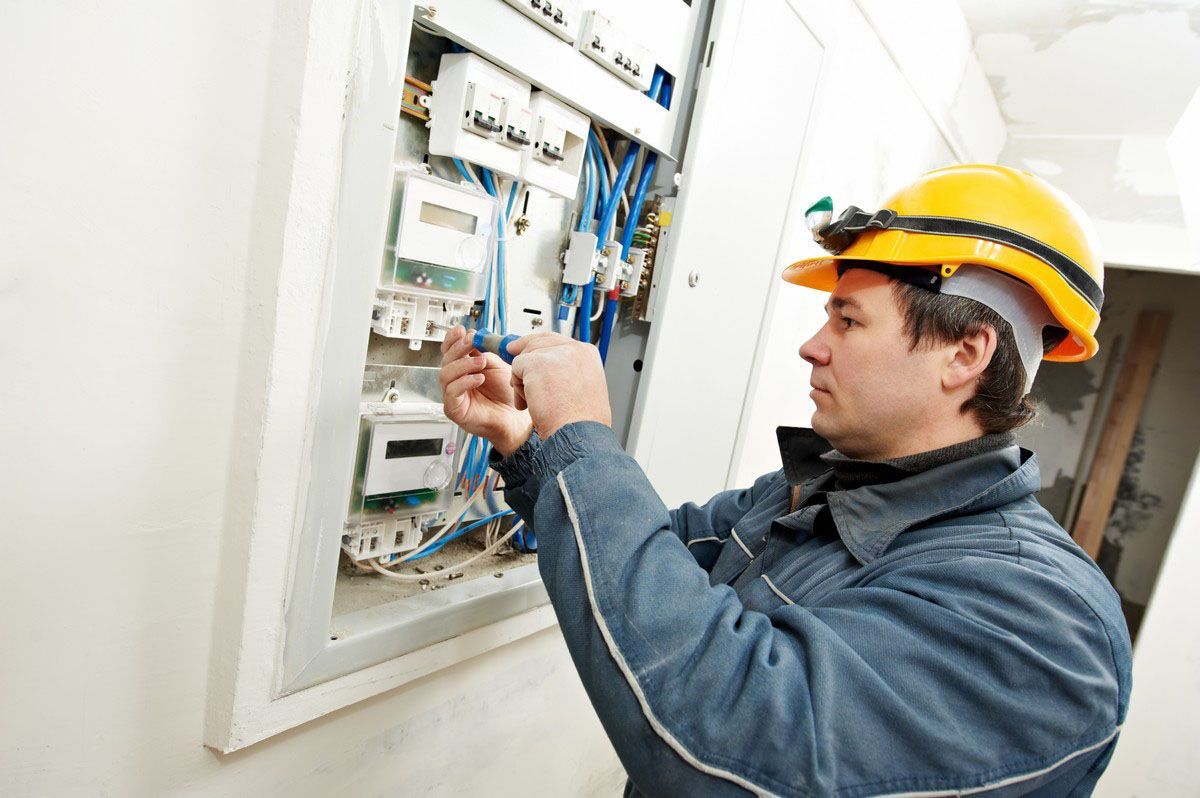
Making a comprehensive list of your "must-have" appliances and systems is crucial. Every device has a specific wattage requirement, and these numbers add up quickly. Rather than guessing and risking a costly mistake, it is highly recommended to rely on professional electric services. An experienced electrician can perform a thorough load calculation, analyzing your electrical panel and energy usage history to pinpoint your exact power requirements.
Understanding Different Generator Types
Once you know how much power you need, the next step is selecting the type of generator. The two primary categories are portable generators and standby generators. Portable generators are generally smaller, less expensive, and require manual operation. You must wheel them out, start them up, and run extension cords to your appliances, or connect them via a manual transfer switch.
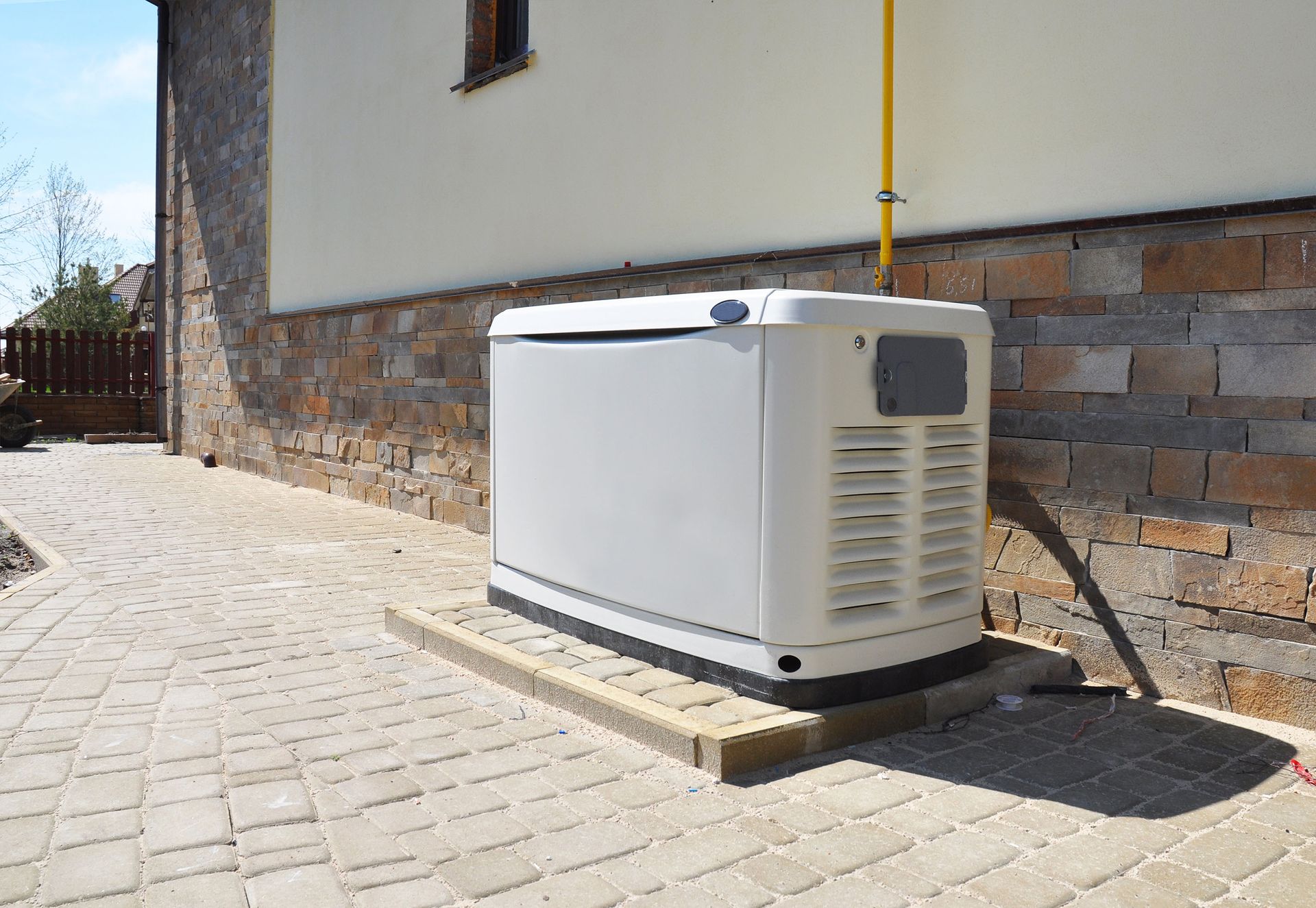
Standby generators, on the other hand, offer the ultimate peace of mind. These units are permanently installed outside your property, much like an AC condenser. They are connected directly to your electrical panel via an automatic transfer switch. The moment the utility power drops, the standby generator automatically kicks on within seconds, restoring power without you having to lift a finger. Integrating these systems seamlessly requires highly specialized electric services to ensure the transfer switch and panel connections operate flawlessly during an emergency.
Selecting the Right Fuel Source
Generators need a reliable fuel source to generate electricity, and your choice will significantly impact the unit's performance, maintenance schedule, and overall longevity. The most common fuel types on the market are natural gas, liquid propane (LP), and diesel.
Natural gas is highly convenient if your property is already connected to a municipal utility line, as it provides a theoretically infinite fuel supply without the need for refilling physical tanks. Liquid propane is an excellent alternative for locations without natural gas lines; it stores exceptionally well and burns very cleanly. Diesel is the traditional powerhouse, heavily favored in commercial and industrial applications due to its high energy density and engine durability under heavy continuous loads. Choosing the right fuel often depends on your local infrastructure and specific property layout. Consulting with experts who provide comprehensive electric services can help you evaluate your site and determine the safest, most efficient fuel source for your new system.
Sizing Your Generator Accurately
One of the most critical aspects of choosing a generator is getting the physical and electrical size exactly right. Generator capacity is measured in kilowatts (kW). If you purchase a unit that is too small, you risk overloading the engine, tripping electrical breakers, and potentially damaging your sensitive electronics. Conversely, buying a unit that is excessively large means you are paying for capacity you will never use, and running a generator under a light load can actually be detrimental to the engine over time.
It is also vital to understand the difference between "running watts" (the continuous power needed to run an appliance) and "starting watts" (the brief but massive surge of power needed to start electric motors, like those in central air conditioners). Because this math can get incredibly complex, utilizing professional electric services is the only way to guarantee your generator is sized perfectly to handle both continuous loads and sudden startup surges.
Navigating Installation and Safety
Installing a standby generator is a major construction and electrical project. It is absolutely not a do-it-yourself endeavor. The process involves pouring concrete pads, trenching for fuel lines, managing high-voltage electrical connections, and installing complex transfer switches. Furthermore, strict adherence to the National Electrical Code (NEC), local zoning laws, and municipal noise ordinances is mandatory.
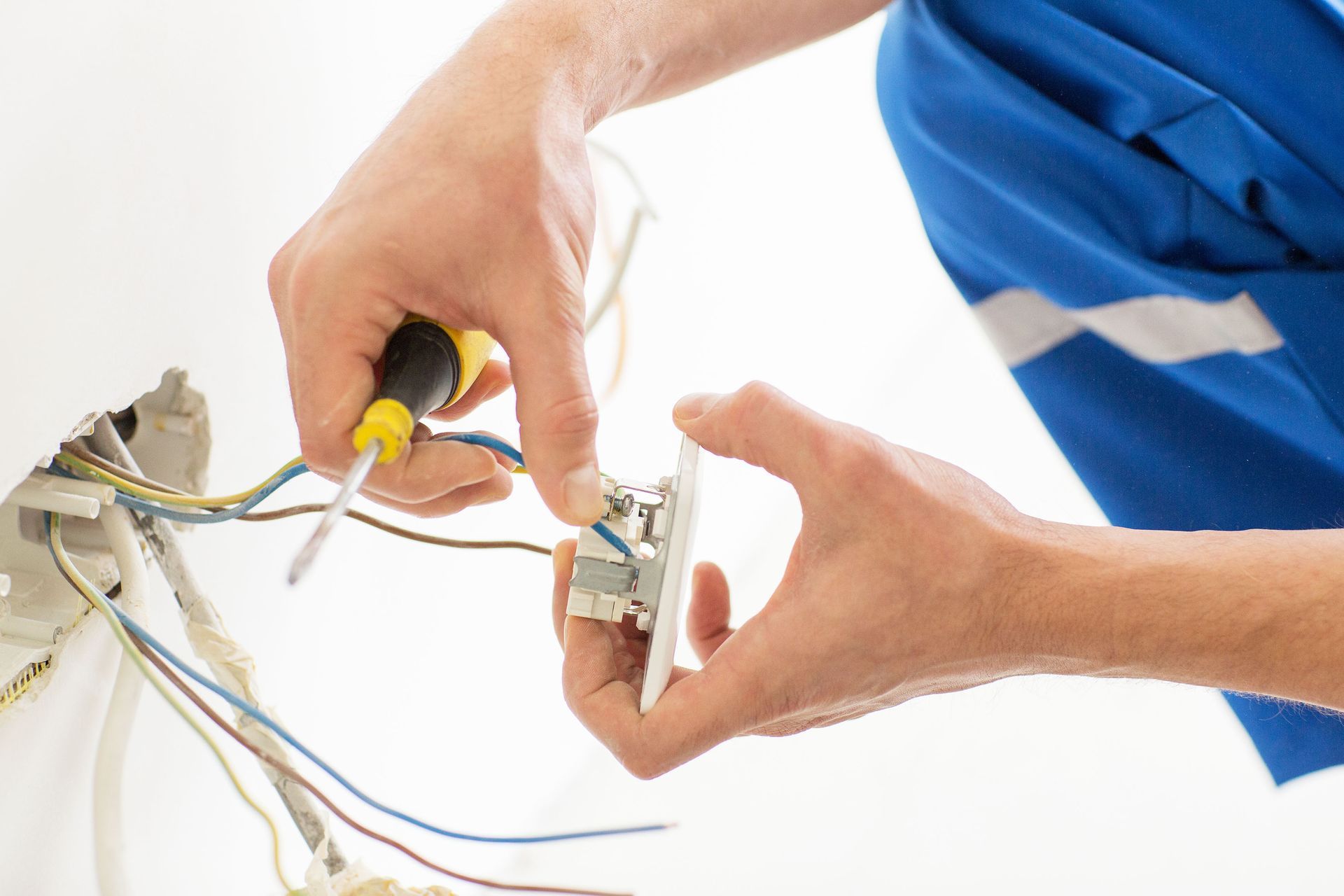
Safety is always the paramount concern. Improperly installed generators can lead to fatal carbon monoxide poisoning, severe fire hazards, or "backfeeding" — a dangerous condition where the generator pushes electricity back into the utility grid, potentially electrocuting line workers trying to restore power. When you trust our team for your electric services, you are guaranteed a fully code-compliant, rigorously tested installation. We handle all the permitting, inspections, and technical details to keep your property completely safe.
Planning for Ongoing Maintenance
A standby generator is essentially a robust engine, and just like your car, it requires regular maintenance to ensure it performs reliably when you need it most. Neglecting routine maintenance is the number one reason backup power systems fail during an actual emergency.
Routine upkeep involves changing the oil and oil filters, replacing air filters, checking spark plugs, and inspecting the battery health. In our experience, most modern standby generators are programmed to run a weekly "exercise" cycle for 10 to 15 minutes to keep the engine parts lubricated and burn off any built-up moisture. However, the mechanical engine is only half of the system. The electrical components require just as much attention. Through our dedicated electric services, we ensure that your automatic transfer switch, wiring connections, and electrical tie-ins are inspected and maintained to prevent any electrical faults when the grid goes down.
Differentiating Residential and Commercial Requirements
While the basic principles of power generation remain the same, the scale and complexity differ vastly between residential and commercial applications. Homeowners typically prioritize quiet operation, aesthetic enclosures that blend into the landscaping, and just enough power to run HVAC systems and basic household appliances.
Business owners, however, face much stricter and more demanding requirements. Commercial facilities often operate on three-phase power, requiring highly specialized generators. They also face strict life-safety codes, especially in sectors like healthcare, data centers, or food storage, where even a five-minute outage can result in catastrophic losses. Integrating massive commercial generators with existing building management systems and complex commercial breaker panels requires robust, commercial-grade electric services. Our team has the scale and expertise to design these heavy-duty systems efficiently.
Investing in a generator is one of the most effective ways to protect your property, your family, and your livelihood from the unpredictability of the modern power grid. By taking the time to assess your needs, understand your options, and properly size your system, you can weather any storm with absolute confidence. Don't wait until the lights go out to realize you need a backup plan. Contact Bayard Electric LLC today to schedule a consultation and take the first step toward permanent energy independence.

Share On: